Everything about Welding: Key Insights Into Techniques and Ideal Practices for Success
Welding includes a variety of methods, each suited for specific materials and applications. Understanding these approaches, such as GMAW, SMAW, and TIG, is crucial for achieving ideal results. The ideal tools and safety and security methods can not be ignored. As preparation and troubleshooting play critical roles in the welding process, mastering these aspects can considerably improve the top quality of the final product. What are the key elements that guarantee an effective weld?
Comprehending Different Welding Techniques
Welding strategies encompass a variety of methods, each suited to specific applications and products. Among one of the most common strategies are Gas Steel Arc Welding (GMAW), Secured Metal Arc Welding (SMAW), and Tungsten Inert Gas Welding (TIG) GMAW, additionally referred to as MIG welding, is preferred for its speed and convenience, making it suitable for thin materials. SMAW, or stick welding, is favored for its simplicity and performance in exterior atmospheres, specifically with thicker steels. TIG welding uses precision and control, making it ideal for complex work and non-ferrous steels (Fabrication). Each method has its unique advantages and factors to consider, enabling welders to pick the very best approach based on the job's demands, material type, and wanted results. Understanding these strategies is vital for effective welding
Necessary Welding Tools and Devices
While various welding techniques require specific skills, the right tools and tools are just as vital for achieving high quality outcomes. Important welding tools includes welding makers, which differ relying on the technique-- such as MIG, TIG, or stick welding. Safety gear, including headgears, aprons, and gloves, assurances safety and comfort throughout the procedure. On top of that, clamps and components assist protect materials in position, making sure accuracy in welds. Consumables like welding poles, wire, and securing gas are additionally essential parts that affect the quality of the weld. In addition, devices such as grinders and cutters help with surface area preparation and post-weld finishing, adding to an expert outcome. Buying top notch equipment eventually improves the performance and performance of welding projects.
Security Practices in Welding
Proper security techniques are vital in the welding industry to shield workers from prospective threats. Welders must use ideal individual safety devices (PPE), consisting of safety helmets with proper shading, handwear covers, and flame-resistant apparel. Ample ventilation is essential to reduce exposure to dangerous fumes and gases created throughout the welding process. In addition, employees need to be educated in the proper handling of welding tools to stop mishaps. Fire safety procedures, such as keeping flammable materials away from the welding location and having fire extinguishers readily available, are needed. Normal evaluations of tools and workspaces can aid recognize potential threats prior to they cause accidents. By sticking to these safety and security techniques, welders can create a safer working environment and minimize dangers connected with their trade.
Readying Products for Welding
Preparing products for welding is an essential step that greatly affects the top quality and stability of the last item (Montana Mobile Welding and Repair Belgrade Fabrication). Proper prep work involves cleansing the surface areas to get rid of contaminants such as oil, rust, and dirt, which can endanger the weld. Methods such as grinding, sanding, or utilizing solvents are frequently employed to attain a tidy surface. Additionally, making certain that the products fit together snugly is important; spaces can bring about weak welds. It's also vital to think about the placement and positioning of the components, as this will influence the simplicity of welding and the last outcome. Choosing the suitable filler product and ensuring compatibility with the base steels is important for achieving strong, resilient welds.
Tips for Getting High-Quality Welds
Accomplishing top notch welds calls for interest to detail and adherence to best practices throughout the welding process. Proper joint preparation is vital, making certain surfaces are free and clean from contaminants. Picking the proper filler product and welding technique based upon the base metals is vital for suitable bonding. Maintaining regular travel speed and angle while welding can prevent issues and promote uniformity. In addition, regulating warmth input is essential; too much heat can lead to warping and compromised joints. On a regular basis inspecting the welds throughout the process permits for instant adjustments if necessary. Lastly, utilizing ideal post-weld treatments, such as cleaning and stress and anxiety alleviation, can improve the resilience and stability of the weld, inevitably guaranteeing an effective result.
Repairing Common Welding Issues
Welding frequently offers difficulties that can influence the high quality and honesty of the final product. Typical issues such as porosity, inconsistent weld grains, and overheating can emerge, each calling for details troubleshooting techniques. Comprehending these troubles is important for welders to enhance their abilities and attain optimal results.
Porosity Troubles Described
Porosity can usually be neglected, it stays a crucial concern in welding that can compromise the integrity of an ended up item. Porosity refers to the presence of little gas pockets within the weld grain, which can weaken the joint and lead to premature failing. This trouble usually occurs from pollutants, wetness, or inappropriate shielding gas insurance coverage throughout the welding process. To alleviate porosity, welders ought to confirm that the base materials are tidy and completely dry, use appropriate protecting gases, and maintain constant welding criteria. Frequently examining the tools and atmosphere can likewise help determine potential concerns before they materialize in the weld. Addressing porosity properly is essential for accomplishing solid, sturdy welds that meet top quality criteria.
Inconsistent Weld Beans
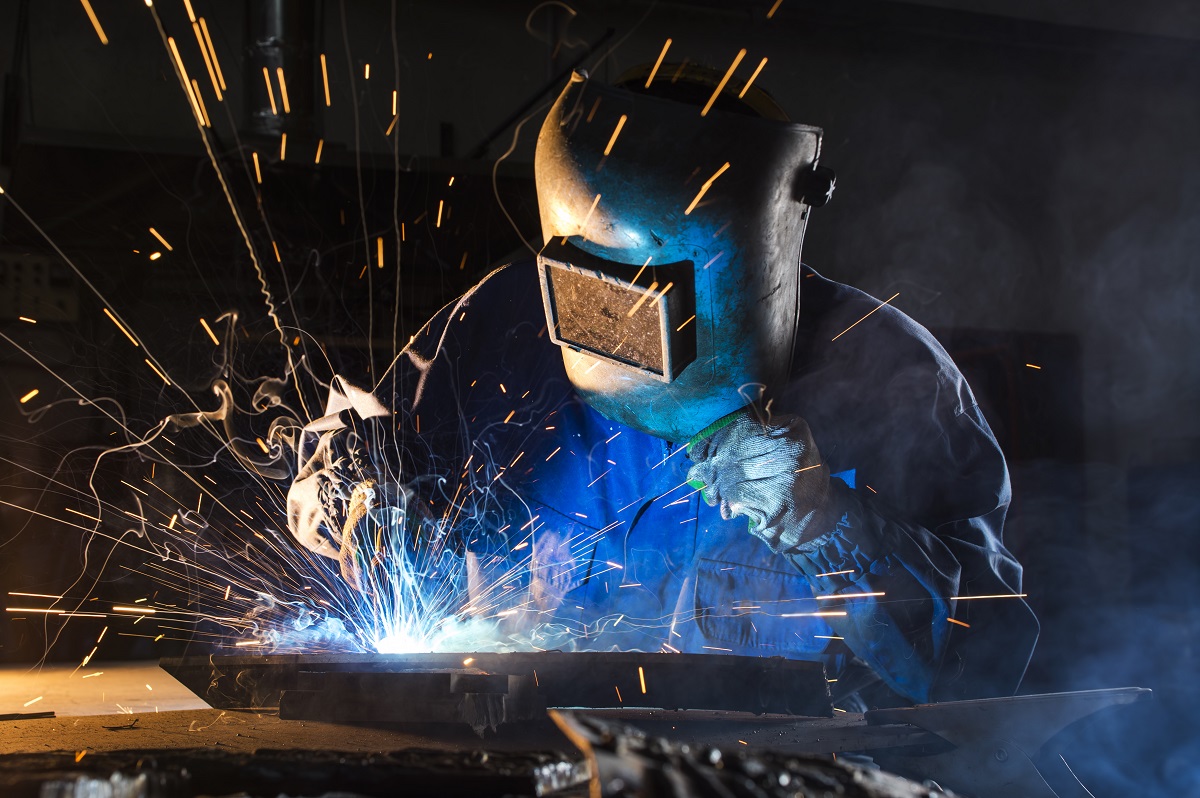
Irregular weld beads can greatly affect the high quality and strength of a completed product. Various aspects contribute to this concern, consisting of inappropriate travel rate, inaccurate amperage setups, and irregular electrode angles. When the welder moves too swiftly, a bead might appear slim and lack infiltration, while moving too gradually can trigger too much accumulation. In addition, using the wrong amperage can result in either undercutting or extreme spatter, both of which compromise weld stability. The welder's technique, such as inconsistent torch movement, can additionally bring about uneven grain appearance. To minimize these troubles, welders ought to concentrate on keeping consistent, controlled activities and making certain proper devices settings to accomplish uniformity in their welds. Consistency is key to achieving strong and trusted welds.
Getting Too Hot and Warping Issues
Extreme warm during the welding process can lead to considerable overheating and warping problems, influencing the architectural stability of the work surface. These problems typically show up as distortion, which can endanger positioning and fit-up, making more setting up challenging. Elements adding to overheating include the option of welding criteria, such as voltage and take a trip speed, in addition to the type of material being bonded. To reduce these problems, welders should keep regular traveling speed and ideal warmth input while keeping track of read more the work surface temperature level. Additionally, preheating or post-weld heat treatment can help relieve tensions triggered by fast air conditioning - Belgrade Welding. Routine evaluation and adherence to best practices are vital in protecting against getting too hot and guaranteeing the longevity and integrity of bonded frameworks
Often Asked Questions
What Are the Occupation Opportunities in the Welding Sector?
The welding industry offers diverse profession possibilities, including positions as welders, inspectors, engineers, and educators. Experts can work in manufacturing, building, aerospace, and auto markets, gaining from solid need and competitive incomes in various roles.
Exactly How Can I Improve My Welding Rate Without Sacrificing High Quality?
To improve welding rate without compromising high quality, one must practice effective methods, preserve tools, optimize settings, and boost hand-eye control. Routine training and looking for feedback can also significantly add to achieving faster, high-quality welds.
What Accreditations Are Readily Available for Welders?
Numerous qualifications exist for welders, including those from the American Welding Culture (AWS), the National Facility for Building And Construction Education and Study (NCCER), and different industry-specific organizations. These qualifications boost employability and demonstrate ability efficiency.
Exactly How Does Welding Affect the Residences of Metals?
Welding influences the residential properties of metals by altering their microstructure, which can result in adjustments in ductility, strength, and hardness. Heat input and cooling prices throughout the procedure substantially influence these product attributes.
Can I Bonded Dissimilar Metals With Each Other?